How Long Do Concrete Swimming Pools Last?
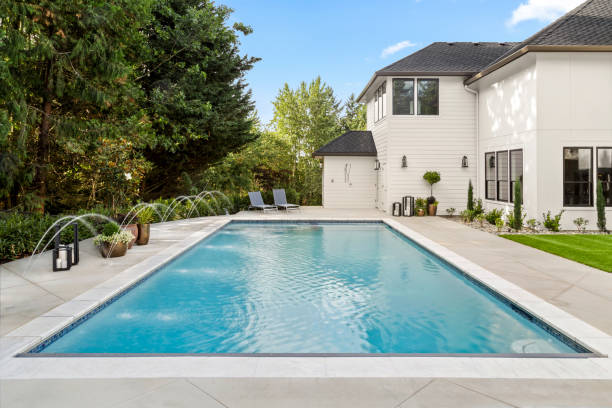
When investing in a backyard oasis, durability is often the top priority for homeowners. Concrete pools, specifically those made of gunite or shotcrete, are renowned for their strength and permanent nature. While they require periodic maintenance, the core structure is designed to provide a lifetime of recreation and aesthetic beauty.
The Structural Lifespan of Swimming Pool Construction
The structural shell created during swimming pool construction is incredibly resilient. A well-engineered concrete pool can last 50 years or more, outliving most other types of residential installations. Because the shell is reinforced with a steel rebar cage and high-psi concrete, it becomes a permanent part of the property’s foundation.
The Lifecycle of Interior Finishes
While the shell remains solid, the interior finish that keeps the water in will eventually wear down. A standard plaster finish typically lasts 7 to 10 years, while premium pebble or glass bead finishes can last 15 to 20 years. Resurfacing is a routine part of pool ownership that restores both the look and the waterproof seal.
Coping and Tile Longevity
The perimeter tile and coping stones are exposed to the harshest elements, including sun, chemicals, and freeze-thaw cycles. On average, you may need to replace or repair these decorative elements every 10 to 15 years. Keeping the grout lines sealed and maintaining proper water chemistry can significantly extend the life of these features.
Factors That Influence Durability
Local environmental conditions play a massive role in how well a pool ages. In regions with shifting soil or high water tables, the original engineering must be precise to prevent structural cracking. Proper drainage systems installed during the build phase protect the concrete from hydrostatic pressure, which is vital for long-term survival.
The Role of Water Chemistry
Neglecting water balance is the fastest way to age a concrete pool. If the pH or calcium hardness is consistently off, the water becomes aggressive and will leach minerals directly from the plaster finish. This leads to pitting, staining, and rough surfaces. Maintaining balanced water is a simple way to preserve your investment.
Equipment Life Cycles
The mechanical "heart" of the pool—the pumps, filters, and heaters—has a shorter lifespan than the concrete. Most high-quality equipment lasts between 8 and 12 years. Upgrading to modern, energy-efficient components during your 10-year resurfacing project is a common strategy to keep the entire system running smoothly and cost-effectively.
Modern Innovations in Longevity
Today’s builders use advanced additives and curing techniques to make concrete even more impermeable. Additionally, high-tech secondary sanitizers like UV or Ozone systems reduce the reliance on harsh chemicals. These advancements mean that a pool built today is likely to be even more durable than those constructed decades ago.
Conclusion
A concrete pool is a multi-generational asset. While you will need to refresh the surface and update the equipment every decade or two, the structural integrity of the build remains unmatched. With consistent care and professional maintenance, your backyard retreat can serve your family for half a century or more.