Designing an Off-Grid Solar Kit with Nickel-Iron
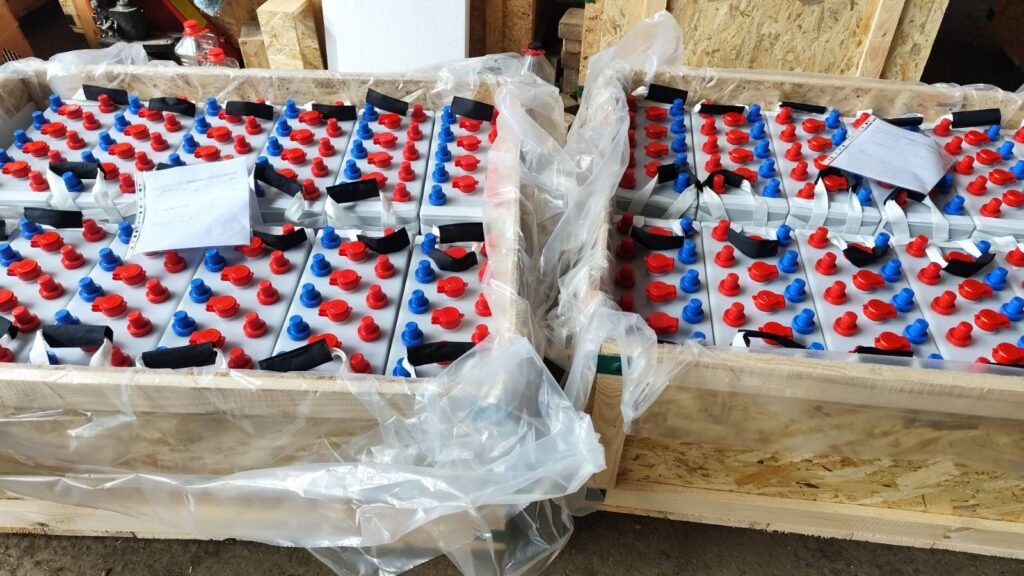
Building a solar system from scratch can be overwhelming, but selecting the right storage is the most critical decision. Incorporating a nickel-iron battery into your design ensures that the "heart" of your power system is as rugged as the environment it serves. These kits are specifically engineered to provide consistent 12V, 24V, or 48V power for decades.
Matching Batteries with Modern Hybrid Inverters
While the technology is over a century old, it integrates perfectly with modern solar equipment. High-quality off-grid systems use the edison battery alongside advanced charge controllers that can handle the specific voltage curves of nickel-iron chemistry. This combination provides the best of both worlds: old-school durability with modern efficiency.
Sizing Your Array for Optimal Performance
Because these batteries have a slightly lower charge efficiency (around 75-80%) compared to lithium, it is often recommended to slightly oversize your solar panel array. This ensures that even on shorter winter days, you have enough "extra" power to fully charge the bank and account for the energy lost during the chemical conversion.
Scalability and Modular Design
One of the best features of these systems is their modularity. You can start with a smaller bank and add more cells in series or parallel as your power needs grow. Since the electrolyte doesn't age the same way as lead plates, adding new cells to an older bank doesn't cause the same balancing issues found in other chemistries.
System Design Checklist
- Ventilation: Ensure the battery room is well-ventilated to handle hydrogen gassing.
- Inverter Compatibility: Verify that your inverter can reach the 1.6V to 1.65V per cell needed for charging.
- Flooring: Use a stable, level surface that can support the significant weight of the steel cells.
Conclusion
A well-designed solar system is an investment in your family's future and independence. By utilizing the time-tested strength of nickel-iron storage, you are creating a power plant that is resilient, scalable, and capable of providing clean energy for your home long after other systems have faded away.