Clear Choices: A Practical Guide to Safe Medication Abortion & Finding Abortion Pills in Dubai and Abu Dhabi
When privacy and medical safety are both priorities, understanding the practical steps for a medication abortion can help you make informed choices. This guide covers eligibility, what to expect during the process, how to find trustworthy providers, and aftercare considerations for people researching abortion pills in Dubai or abortion pills in Abu Dhabi.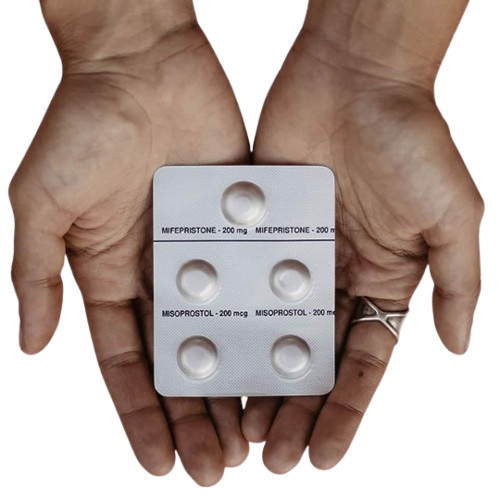
Clinical overview and common regimens
Medication abortion typically uses mifepristone followed by misoprostol. The exact protocol (timing, doses, and route of misoprostol) varies by provider and local guidelines. Effectiveness is high in early pregnancy, and most side effects are manageable at home. However, a clinical assessment is essential to rule out ectopic pregnancy and other contraindications.
Why clinical oversight is necessary
- Confirms appropriate gestational age and rules out ectopic pregnancy.
- Identifies health conditions or medications that could change the recommended approach.
- Provides emergency planning and post-treatment follow-up that reduce risk.
If a service offers pills without any medical screening, treat that as a serious red flag.
How to find a trustworthy provider
Look for these hallmarks:
- Clear demonstration of licensing and qualified practitioners.
- Evidence-based counseling, including explanation of alternatives and risks.
- Structured follow-up procedures (telehealth check-ins, tests).
- Transparent privacy practices and emergency referral information.
Avoid providers who pressure you into quick purchases, refuse to discuss follow-up, or cannot confirm their medical credentials. When seeking abortion pills in Dubai or abortion pills in Abu Dhabi, ask for details about how they handle complications and where they will refer you for urgent care.
Step-by-step — from consultation to recovery
- Consultation: Medical history, gestational dating, and consent.
- Medication plan: Clear instructions on when and how to take mifepristone and misoprostol.
- At-home care: Expect bleeding and cramping; use pain relief and rest.
- Follow-up: Verify completion via test or clinician check; ultrasound if needed.
Preparing your environment
- Choose a day with minimal obligations.
- Have sanitary supplies, fluids, pain relief, and a phone charged.
- If you want a support person present, arrange that in advance.
Costs, confidentiality, and practical logistics
Costs vary depending on whether lab tests or ultrasound are included. Some clinics offer private-pay, discreet packaging, and confidential scheduling to protect privacy. Confirm billing details and what documents (if any) will be shared with third parties.
Harm reduction if barriers exist
If legal or access barriers make formal care difficult, prioritize harm reduction:
- Seek remote consultation with licensed clinicians where possible.
- Avoid unverified sellers or pill-sharing.
- Know local emergency services and have a clear plan for urgent care.
Important: Harm reduction reduces risk but does not eliminate it. Clinical oversight remains the safest route.
Aftercare and return to normal activity
Most people recover physically within days to a couple of weeks; emotional responses may last longer and vary widely. Follow-up confirms success and rules out retained tissue or infection. Delayed follow-up increases the risk of complications going unrecognized.
When to contact your clinician
Contact the provider or emergency services if you experience:
- Heavy bleeding unrelieved by rest (rapid soaking of sanitary pads).
- Fever, severe pain, fainting, or prolonged symptoms.
- Symptoms suggesting incomplete abortion or infection.
Conclusion
Being well informed helps you balance privacy and safety. Medication abortion can be safely completed at home for eligible patients under clinical supervision. If you are investigating abortion pills in Dubai or abortion pills in Abu Dhabi, choose licensed providers, insist on pre-treatment assessment and follow-up, and make a concrete emergency plan. Your health and legal safety matter—prioritize regulated clinical care and support.